Living in Suwanee GA: Lifestyle, Dining & Outdoors
If you are wondering what daily life in Suwanee really feels like, the short answer is this: it is a suburb where parks, public spaces, and community events shape the rhythm of the week. Whether you are planning a move, comparing Metro Atlanta suburbs, or looking for a place with a strong town center feel, Suwanee offers a mix of outdoor access, newer housing, and convenient retail. Here is what to know about living in Suwanee, from dining and recreation to home styles and commute patterns.
Suwanee is about 30 miles north of Atlanta and has an estimated July 2024 population of 23,062. The city also reports a community of about 22,000-plus residents, and current Census data shows a median age of 38.1, a median household income of $103,260, and an owner-occupied housing rate of 59.0%. Those numbers point to a well-established suburb with a strong base of homeowners and working households.
Compared with Gwinnett County overall, Suwanee reads as a higher-cost market. Census data shows a median owner-occupied home value of $480,600 in Suwanee, compared with $380,900 in Gwinnett County. For you as a buyer, that can mean balancing lifestyle benefits like amenities and newer housing against a higher price point.
What often stands out most is how the city is organized around connected public spaces. Instead of having one isolated attraction, Suwanee links trails, parks, downtown gathering spots, and event areas in a way that supports everyday use. That design helps make the city feel active without feeling hectic.
Outdoor access is a big part of Suwanee’s appeal. The city’s park system supports everything from short walks and playground time to longer trail outings and community events. If you value easy ways to get outside during the week, this is one of Suwanee’s strongest lifestyle features.
Town Center Park is the city’s main gathering place. It includes 10 acres of green space, looping sidewalks, an interactive fountain, public art, and an amphitheater. It also connects directly to the Suwanee Creek Greenway, which adds to its role as more than just an event lawn.
This area tends to shape how people experience Suwanee day to day. You can meet friends, attend a festival, walk the trail, or spend time downtown without needing a full-day plan. That convenience is part of what gives Suwanee its strong community feel.
The Suwanee Creek Greenway is a four-mile hard-surface trail that links nearly 400 acres of parkland and connects residential and commercial areas. Access points include Town Center, Martin Farm Park, Suwanee Creek Park, George Pierce Park, and the Suwanee Sports Academy area. For many buyers, that kind of connected trail system matters because it supports regular use, not just occasional outings.
If you picture your week including morning walks, evening bike rides, or quick outdoor breaks, the greenway is a meaningful amenity. It helps create a lifestyle where recreation is close at hand rather than requiring a drive to a single destination.
Suwanee also offers several other notable park spaces. Sims Lake Park spans 62 acres and includes a seven-acre lake with a 1.2-mile looping trail. White Street Park includes Harvest Farm and what the city describes as the first public orchard in the Southeast.
Another key addition is Town Center on Main & DeLay Nature Park, which expands downtown green space with a 13-acre urban park, a 15-acre wooded nature park, and PlayTown Suwanee. Together, these spaces support the idea that outdoor living in Suwanee is part of normal daily life, not just something reserved for weekends.
Suwanee’s dining and shopping scene is not best described as dense or urban. Instead, it is centered on mixed-use public places, community events, and steady redevelopment. If you like having local options paired with larger retail convenience, Suwanee offers both.
The Town Center district includes more than 100,000 square feet of retail, 87,000 square feet of office space, 147 townhome and condominium units, and 85 single-family homes. That mix gives the area a more walkable, live-work-play structure than many suburban retail centers.
For you, that means some errands, dining, and event nights can happen in the same area. It is one of the clearest examples of walkability in Suwanee, even though the city as a whole is still largely car-centered.
Beyond downtown, the Suwanee Gateway along I-85 adds about 800,000 square feet of retail and nine hotels. This creates a second commercial pattern in the city: more auto-oriented, more regional, and geared toward convenience. In practical terms, you get both a downtown core and a larger shopping corridor.
That split is useful if you want a suburb with multiple ways to live. You might spend one evening walking around Town Center and another doing practical errands near the interstate. Suwanee supports both kinds of routines.
Suwanee’s food scene is closely tied to local events and public gathering spaces. The Suwanee Farmers Market brings local farmers and food vendors to Town Center on Main & DeLay Nature Park. The city also says Suwanee Circle is planned as a food truck park debuting in spring 2026.
Official events also help shape the dining culture. Suwanee Fest draws about 40,000 people to Town Center Park each September, while other city events include the Chili Cook-Off & Music Festival, the Asian Festival, and Glow in the Park / International Night Market. For many residents, dining in Suwanee is tied as much to public events and local gathering as it is to a traditional restaurant row.
One thing that makes Suwanee stand out is how often the city uses its public spaces. The city says Town Center is the backdrop for concerts, movies, and festivals, and it hosts more than 40 free community events each year. That gives the city a more active social calendar than many suburbs of similar size.
For you, this can make everyday life feel more connected and less routine. Even if you do not attend every event, it is helpful to know there are regular ways to plug into the community. That can be especially valuable if you are relocating and want a suburb that feels easy to settle into.
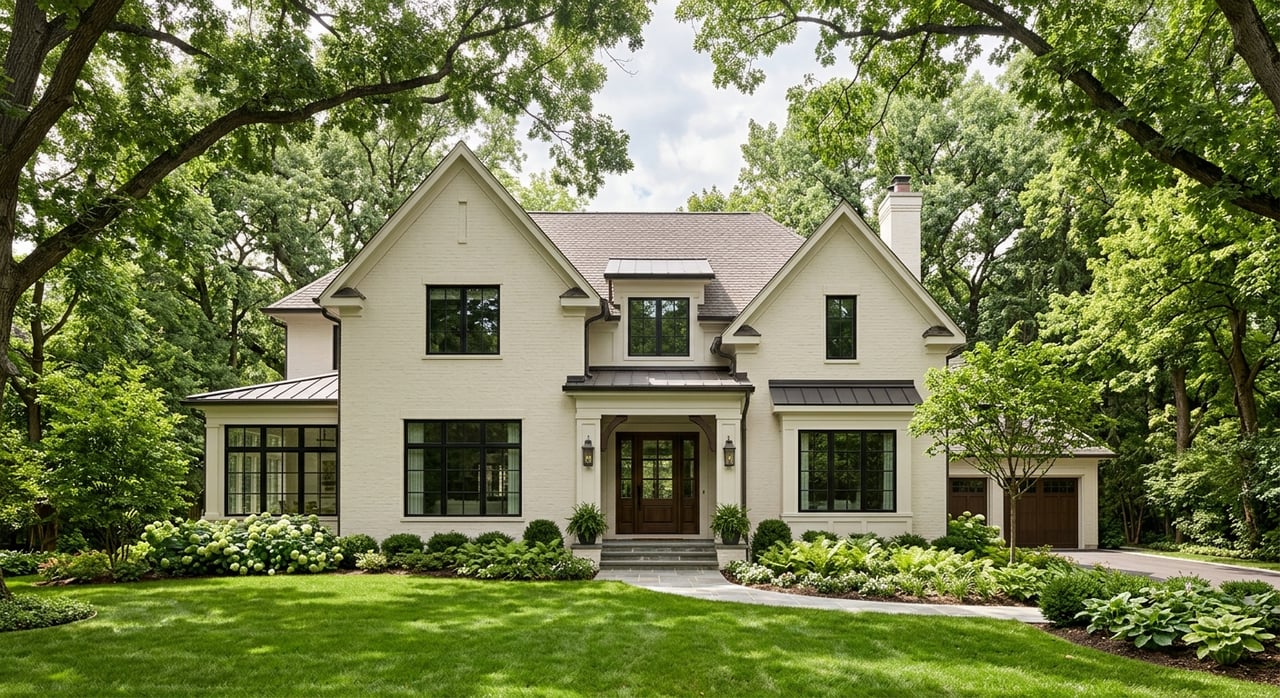
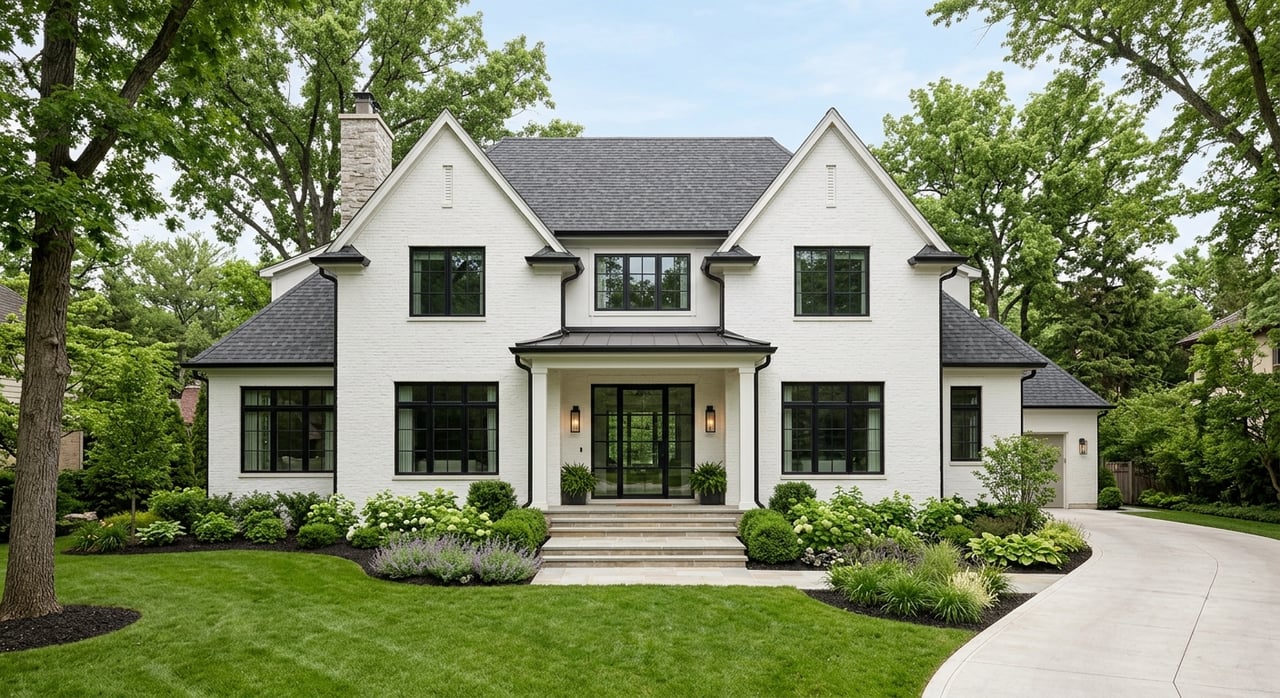
Suwanee’s housing stock is varied, but the city says the supply is still primarily single-family attached, which makes up 50% of the mix. Since 2017, the city says it has added townhomes, mixed-use multifamily, senior living, and an age-restricted 55+ community. That variety gives you more than one path into the market, depending on your budget and lifestyle.
A 2019 plan update said 60% of housing units were built since 2000. That helps explain why many parts of Suwanee feel newer than older intown suburbs. If you prefer newer layouts, planned communities, or lower-maintenance options, Suwanee may offer more of that than some closer-in Atlanta neighborhoods.
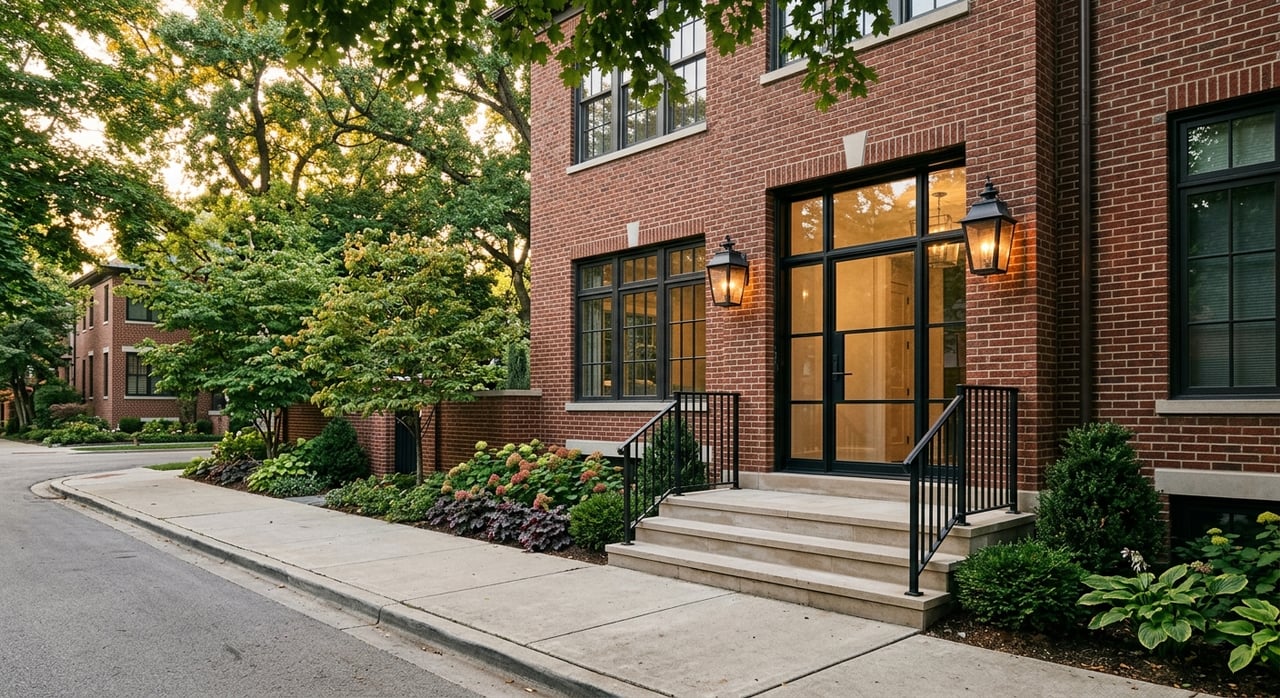
Specific areas also reflect this mix. Town Center includes townhomes, condos, and single-family homes, while Suwanee Station was planned as a walkable transit-oriented development with detached small-lot homes, townhomes, and multifamily housing. As you compare neighborhoods, it helps to think less in terms of one dominant home style and more in terms of which part of Suwanee fits your pace and priorities.
Suwanee’s location on I-85 is one of its biggest practical advantages. Current Census data shows a mean travel time to work of 30.1 minutes. That gives you a general sense of daily mobility, although your actual commute will depend on where you work in Metro Atlanta.
The broader pattern is still car-centered. In the city’s 20/20 Vision Plan, commuting was described as overwhelmingly drive-alone, with about 82% driving alone, roughly 5% working from home, and fewer than 10% working in Suwanee itself. Most residents commute to other jobs in Gwinnett or North Fulton.
That means walkability in Suwanee is concentrated rather than universal. Around Town Center and nearby mixed-use areas, you can enjoy a more walkable setup. Across the city as a whole, though, you should expect to drive for many daily needs.
Suwanee may appeal most if you want a suburban city with strong parks, an active events calendar, and a recognizable downtown core. It can be a good fit for buyers who want public spaces and community programming built into everyday life. It may also appeal to relocation buyers who want a suburb that feels organized, newer in many areas, and well connected to the wider North Metro Atlanta region.
At the same time, it helps to go in with clear expectations. Housing values are relatively high compared with Gwinnett County overall, and the city is not fully walkable. If your priority is balancing suburban space with community amenities, though, Suwanee offers a compelling mix.
If you are weighing Suwanee against other Metro Atlanta suburbs, the biggest question is usually not whether there is enough to do. It is whether the city’s blend of parks, town center living, and car-based convenience matches how you want your week to feel.
If you are exploring Suwanee or comparing it with other Metro Atlanta communities, Jonathan Leach can help you evaluate neighborhoods, home options, and next steps with a clear, strategic approach.
Work with Jonathan Leach, an advocate who understands luxury, culture, and strategy, and is committed to protecting your goals from the first showing to closing.