Is Downtown Duluth Right For You? Walkable Suburban Living
If you want a lifestyle that feels more walkable and social without giving up suburban convenience, Downtown Duluth deserves a closer look. For many buyers, the challenge is finding a place that offers real energy, easy outings, and a strong sense of place without moving into intown Atlanta. This guide will help you understand what Downtown Duluth is actually like, who it tends to fit best, and what to consider before you buy. Let’s dive in.
Downtown Duluth is best described as a compact, walkable district anchored by Main Street, Parsons Alley, City Hall, the Festival Center, and the Town Green. Both Explore Georgia and the city describe it as a walkable downtown, but the key word is compact.
That matters if you are comparing it to larger urban neighborhoods. The walkable experience is strongest in the downtown core and nearby connected residential areas, not across the entire city. You get a suburban setting with a true downtown center, rather than an everywhere-on-foot lifestyle.
The city has continued investing in that pedestrian feel. In 2024, Duluth opened Phase I of the Main Street enhanced sidewalk project, creating a 10-foot sidewalk path from Rogers Bridge Road to just short of Peachtree Industrial Boulevard, with plans to extend it farther west.
For the right buyer, Downtown Duluth offers something that can be hard to find in Metro Atlanta: a lively, small-city downtown in a suburban location. You can head out for dinner, spend time on the Green, catch a community event, and enjoy a more connected social rhythm without planning your whole day around a drive.
The public spaces play a big role in that experience. The city’s park planning describes the Town Green and Festival Center area as open green space with walking paths and direct pedestrian access from surrounding sidewalks, while still keeping parking nearby. In plain terms, it feels accessible and active, but still practical for everyday suburban life.
Two details also shape daily life downtown. Duluth’s open-container zone allows visitors to buy to-go drinks from licensed merchants to enjoy on the Green, Main Street, or Parsons Alley, and downtown now operates as a railroad quiet zone at several crossings, which means train horns are not regularly heard there.
Some downtowns look good on a map but feel quiet in real life. Downtown Duluth stands out because its identity is tied closely to events and public gatherings.
According to city event coverage, the Town Green and surrounding spaces hosted the Spring Arts Festival, live music, Dogtoberfest, Howl on the Green, Noon Year’s Eve, Little Beer VI, and Flicks on the Bricks in 2025 and 2026. That steady event calendar helps the area feel active throughout the year, not just on occasional weekends.
This is an important lifestyle clue if you are deciding whether the area fits you. If you enjoy a community atmosphere, local events, and easy access to social activity, Downtown Duluth checks a lot of boxes. If you prefer a quieter environment with more separation from activity, you may want to think carefully about how close to the core you want to be.
Downtown Duluth also works because there is enough local business density to support a real outing. The city has highlighted places such as Crave Pie Studio, Alchemist on the Divide, Good Word Brewing, and Red Clay Music Foundry, which reflects the area’s mix of dining, drinks, and entertainment.
That does not mean everything is packed onto one block. It means you have enough options in the downtown area to make the district feel like a destination, whether you are meeting friends, grabbing dinner, or spending part of a weekend nearby.
Explore Georgia also frames Duluth as a place for food trucks, concerts, murals, and open-air gathering. That gives Downtown Duluth a social, community-driven character that feels different from a standard suburban retail center.
One reason Downtown Duluth feels more complete than a simple Main Street district is its connection to parks and open space. The Town Green and Taylor Park add everyday usability through an interactive fountain, festivals, movies, and a train-themed playground that nods to the city’s railroad history.
Beyond downtown, Duluth’s broader park system includes Bunten Road Park, Church Street Park, Rogers Bridge Park, Scott Hudgens Park, W.P. Jones Park, and Taylor Park. That variety gives you options depending on whether you want a quick nearby green space or a larger park with more active-use amenities.
Rogers Bridge Park is especially notable because it connects the city to the Chattahoochee River area and links to Johns Creek’s Cauley Creek Park through the restored bridge project. For buyers who value outdoor access and pedestrian connections, that is a meaningful part of the area’s appeal.
Downtown Duluth is not just a restaurant district surrounded by parking lots. The city’s zoning includes Residential Townhouse, Single-Family Residential, Residential Multi-Family, Central Business District, and a Downtown Overlay District, which signals a deliberate mix of housing types near the core.
Recent city-announced development reinforces that pattern. Updates have referenced a downtown residential community near City Hall with close to 100 homes, another project across from City Hall with 36 townhomes, and the mixed-use District at Duluth project, all of which support a more residential, connected downtown environment.
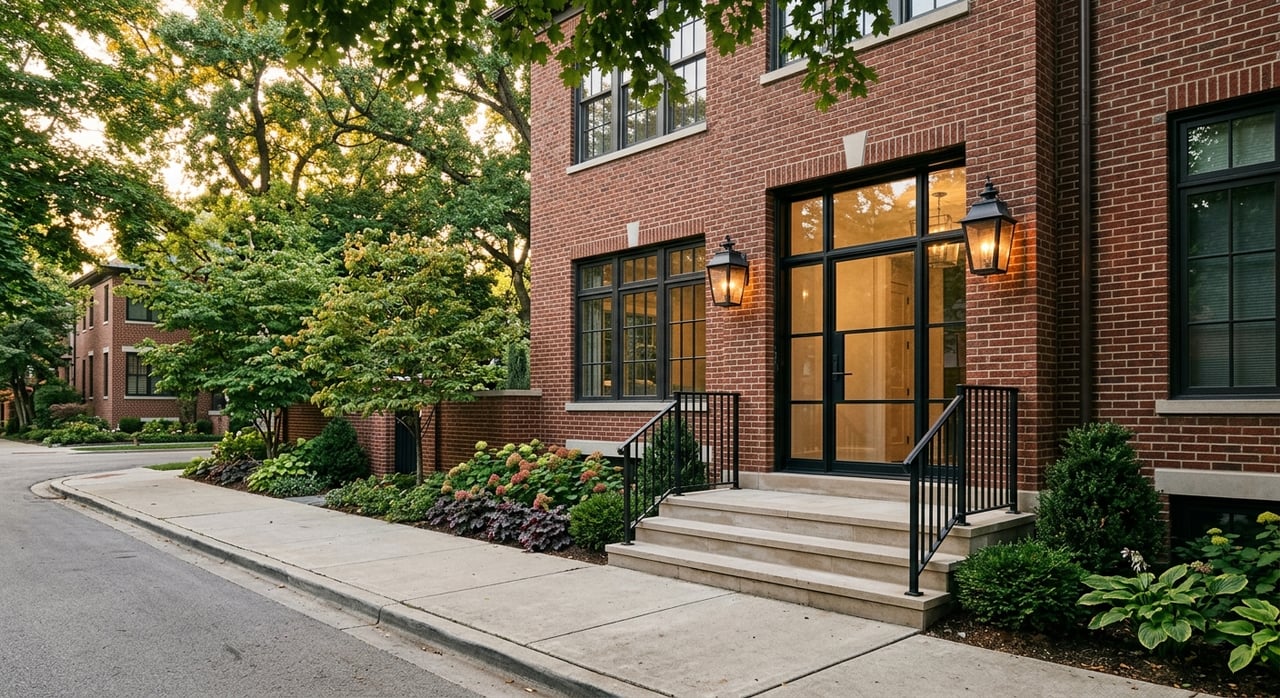
This matters if you are looking for a home that supports a walkable lifestyle. In and around Downtown Duluth, you are more likely to find townhomes, mixed-use-adjacent options, and neighborhoods connected to the core than large-lot properties centered on yard space.
Downtown Duluth tends to work best for buyers who want convenience, activity, and a defined sense of place. It can be especially appealing if you want to be close to dining, community events, parks, and pedestrian connections while still living in a suburban city.
It may be a strong fit if you are looking for:
It may be less ideal if your top priority is:
The cleanest way to think about Downtown Duluth is this: it offers a small-city downtown in the suburbs. That sets it apart from more car-oriented suburban areas and also from denser intown Atlanta neighborhoods.
Explore Georgia places Duluth in the broader family of walkable suburban downtowns, but Duluth’s identity is especially centered on Town Green, Parsons Alley, and city-led events. If you want a lively core without committing to an intown lifestyle, that can be a very appealing middle ground.
The nuance is important, though. Downtown Duluth is not trying to be Midtown or Decatur, and it is not a fit for every buyer because of that. Its value is in offering a more manageable, suburban version of walkability with a strong civic center and growing residential connectivity.
If Downtown Duluth is on your shortlist, it helps to think beyond the word walkable. The better question is whether the specific version of walkability here matches how you want to live.
Ask yourself:
Your answers can quickly tell you whether Downtown Duluth fits your day-to-day priorities or simply sounds good in theory.
Downtown Duluth is a compelling option if you want a suburban home base with a real downtown experience. Its strongest appeal is not just that you can walk in parts of it. It is that the area combines parks, events, dining, and connected public space in a way that gives daily life more texture and convenience.
For many buyers, that balance is exactly the point. You get a compact, amenity-rich center with townhomes and mixed-use development nearby, plus the broader flexibility of suburban Gwinnett. If you are weighing where that lifestyle fits into your Metro Atlanta move, Jonathan Leach can help you compare neighborhoods, narrow your options, and make a smart decision with confidence.
Work with Jonathan Leach, an advocate who understands luxury, culture, and strategy, and is committed to protecting your goals from the first showing to closing.