Decatur GA Home Styles: Find the Right Architectural Fit
Wondering why one Decatur street feels full of cozy cottages while another reads more like a row of classic bungalows or larger historic homes? In a city this compact, small design details can change the whole feel of a block. If you are trying to buy, sell, or simply make sense of Decatur’s housing stock, understanding the local home styles can help you spot value, compare neighborhoods, and know what fits your goals. Let’s dive in.
Decatur has a deep housing history packed into just 4.6 square miles. The city notes that much of it was built out during the 1920s, and early-1900s homes are common. That helps explain why so many streets feel established, walkable, and architecturally distinct.
The city also has five local historic districts. In practical terms, that means porch placement, rooflines, setbacks, and overall massing still shape how homes look from the street. Instead of one dominant style, you get a layered mix of older forms that have stayed visually important over time.
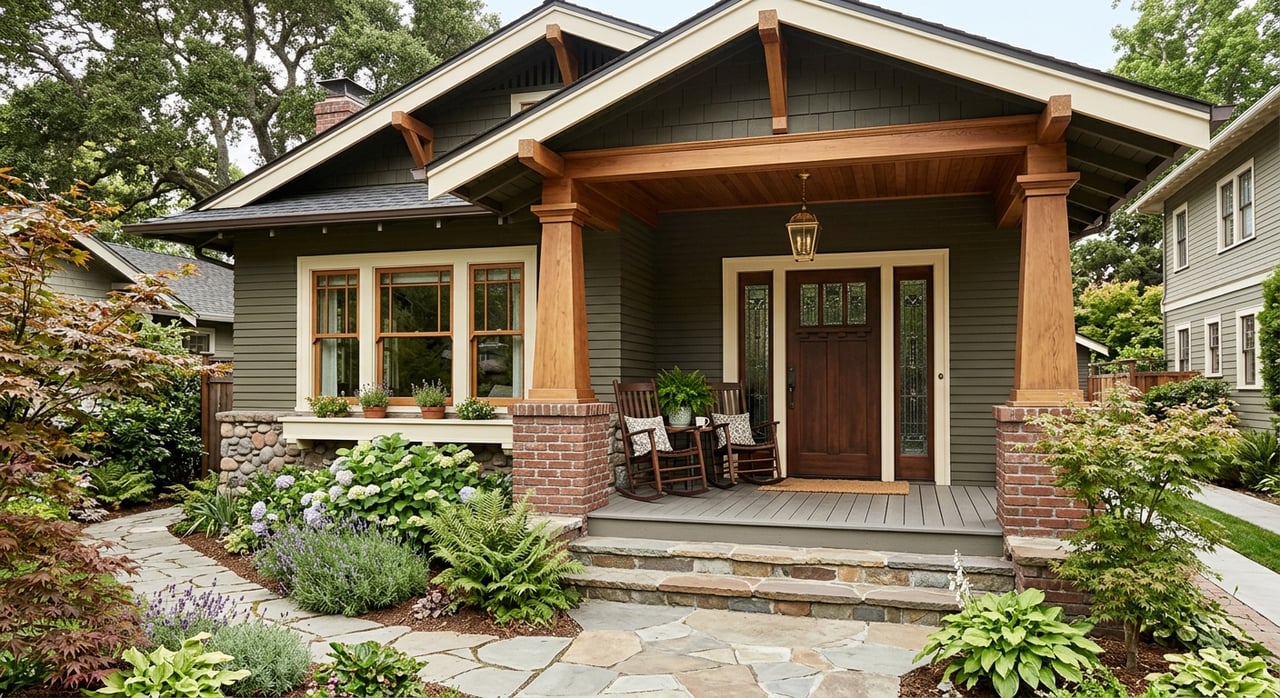
If you picture Decatur architecture, the Craftsman bungalow is often the first style that comes to mind. The city says Decatur was largely built out with Craftsman bungalows in the 1920s, and many neighborhoods still reflect that legacy.
These homes often stand out through their front porches, practical floor plans, and low, readable rooflines. In Decatur, a bungalow is usually more about proportion and street presence than sheer size. An updated bungalow can also carry strong market appeal because buyers often value character, layout, and location as much as square footage.
Cottages show up across Decatur in a few forms, including English Cottage and New South Cottage influences. These homes often feel compact and charming from the street, but they should not automatically be treated as low-cost options in this market.
A cottage may offer a smaller footprint, but price can still depend heavily on renovation level, lot context, and location within the city. In Decatur, the smallest cottages, older homes needing work, and some attached homes may serve as lower-entry options, but that is not a fixed rule.
American Small Houses are especially common in areas shaped by trolley-era and early garden-suburb development. They are usually one to one-and-a-half stories and tend to read as simple, efficient, and approachable.
This style matters because it fills in an important middle ground in Decatur’s housing stock. If you want a detached home with a modest scale, these houses can be worth a closer look. Their appeal often comes from efficient use of space and a strong fit with the neighborhood pattern.
English Cottage and English Vernacular homes show up in several Decatur areas, especially where rolling topography and curving streets help create a softer streetscape. These homes often feel more storybook in form, with rooflines and facades that differ from the more straightforward bungalow look.
You can find this influence in neighborhoods like Winnona Park, Great Lakes, and along the Clairemont Avenue Corridor. In those settings, the style often works hand in hand with deeper setbacks, mature trees, and a more garden-suburb feel.
For buyers who want something more formal or historic in appearance, Decatur also includes Colonial Revival and Queen Anne homes. These are especially important in older sections of the city where residential development began earlier.
They often appear alongside smaller cottages and bungalows, creating a layered streetscape rather than a one-style-only neighborhood. In parts of Old Decatur, for example, the mix ranges from cottages and bungalows to larger two-story homes on key streets.
Not every Decatur home is an early-1900s classic. By the 1940s through the 1960s, ranch houses were also being added in outlying neighborhoods.
That gives buyers another option, especially if you prefer a simpler one-level layout or a later-era home type. In some neighborhoods, ranch homes sit alongside bungalows and American Small Houses, which adds to Decatur’s variety.
Old Decatur is the city’s oldest surviving residential neighborhood, and it offers one of the clearest examples of architectural variety. City guidelines describe a mix of Queen Anne, Colonial Revival, Folk Victorian, Craftsman, New South Cottages, and bungalows.
Smaller cottages and bungalows appear on streets like Barry, North Candler, and Hillyer Place, while larger two-story homes appear on Sycamore Street. Setbacks in some blocks range from about 15 to 30 feet, which helps explain why the neighborhood can feel both compact and visually varied.
Winnona Park reflects trolley-era development, with curving streets and small, generally rectangular lots. The city describes the neighborhood as having mostly one- to one-and-a-half-story American Small Houses, English Cottages, and bungalows.
The Clairemont Avenue Corridor reads differently. Homes there are typically mid- to larger-sized, set back around 30 to 40 feet, and include English Vernacular, Craftsman, and Colonial Revival examples from the 1920s through the 1940s.
The M.A.K. neighborhood is historically important because it was Decatur’s first residential subdivision. City materials note that architect Leila Ross Wilburn designed many homes there, and the neighborhood still holds excellent examples of Craftsman-style houses from the first three decades of the 20th century.
Oakhurst began as a streetcar suburb and later evolved as a garden suburb. It is known for many bungalow-style homes, but preservation materials also note American Small and Ranch houses there. That mix makes Oakhurst especially useful if you want classic character without expecting every block to look the same.
Great Lakes offers a different Decatur experience. The city describes it as an early-20th-century garden-style suburb with rolling hills, curving roads, tall trees, English Vernacular Revival Cottages, Craftsman bungalows, and some American Small Houses.
Compared with the older core neighborhoods, areas like Great Lakes, Glennwood Estates, and College Heights may feel looser in layout and more shaped by topography. You may also notice more driveway and garage influence than on the earliest in-town blocks.
If you are touring homes, a few simple visual cues can help you read the street more clearly:
These details matter because they help explain not just the house, but also the neighborhood pattern around it.
In Decatur’s historic districts, renovation is shaped by preservation rules. The Historic Preservation Commission requires a Certificate of Appropriateness before a permit can be issued, and city guidelines emphasize repair over replacement in many cases, especially for features like windows, roofs, and chimneys.
For buyers, that usually means renovations often feel preservation-minded rather than fully reinvented. Additions are expected to fit the surrounding scale, massing, setback, height, and lot placement, which helps many streets keep a cohesive look.
Decatur is also making room for selected newer housing types. ADUs are allowed on typical single-family lots, and the city’s affordability policy also allows duplexes and walk-up flats, subject to standards for size, height, floor area ratio, and lot coverage.
The key takeaway is simple: modern infill in Decatur usually aims to fit the neighborhood’s scale instead of overpowering it. If you are comparing older homes with newer construction, that context can help you understand why some newer properties feel more integrated than others.
In Decatur, style and price do not always line up the way buyers expect. A current Census estimate puts the median value of owner-occupied housing at $701,400, so labels like bungalow or cottage should not be treated as shorthand for inexpensive.
Instead, it is more useful to think in tiers. Smaller cottages, homes needing work, and attached options may offer a lower point of entry. Updated bungalows and Craftsman homes often sit in a middle tier, while larger historic homes, polished infill, and fully renovated properties may command higher pricing.
That kind of comparison can be more helpful than focusing on square footage alone. In Decatur, character, condition, and street context often play a major role in how a home is perceived.
If you are buying in Decatur, home style can help you narrow your search faster. A buyer looking for a charming front porch and historic feel may focus on bungalows or cottages, while someone wanting a larger setback or a different block pattern may lean toward a garden-suburb area.
If you are selling, understanding your home’s style helps shape how it should be positioned. A well-marketed Craftsman, cottage, ranch, or English-influenced home can resonate more strongly when its architecture and neighborhood context are clearly explained.
That is where strategic guidance makes a difference. In a market like Decatur, the story of the home often matters almost as much as the specs.
If you are thinking about buying or selling in Decatur and want help understanding how a home’s style, setting, and condition affect value, Jonathan Leach can help you navigate the market with clear, polished, and practical guidance.

Work with Jonathan Leach, an advocate who understands luxury, culture, and strategy, and is committed to protecting your goals from the first showing to closing.