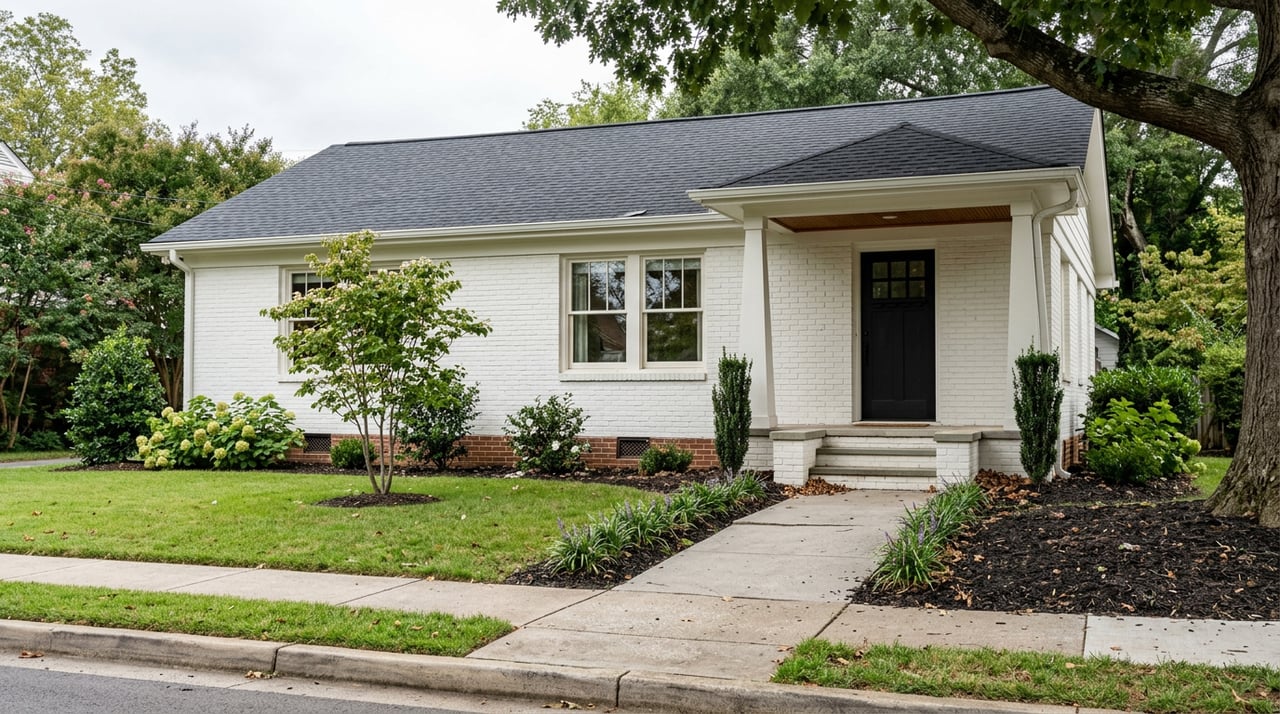
The Intown Atlanta Inspection Item That Decides Your Deal In 2026
Buyers in Grant Park and Kirkwood spend weeks worrying about the roof, the HVAC age, and whether the crawl space is dry. Then the sewer scope report lands and the negotiation resets. In a 2026 Atlanta market where inventory is climbing and buyers are more willing to walk, the lateral running from the house to the city main has quietly become the most consequential line on the inspection response. It is also the one thing a standard home inspection will not tell you about.
That is the argument of this post. Everything below is evidence for it, and a plan for what to do about it whether you are buying or listing.
Intown Atlanta's housing stock is old in exactly the way that punishes underground plumbing. If you live in an intown neighborhood such as Virginia-Highland, Grant Park, East Atlanta, Kirkwood, or Candler Park, your home may be sitting on sewer lines that are 60 to 100 years old. Most homes built before the 1970s in Fulton and DeKalb counties used vitrified clay pipe for their sewer laterals. Clay is brittle. Over decades, the joints separate, the pipe cracks, and soil shifts create sags called "bellies" where waste collects.
The tree canopy that makes these neighborhoods desirable is also part of the mechanism. Atlanta's urban tree canopy, maintained and expanded through programs like Tree Atlanta, comes at a price for homeowners with older sewer systems. Oak, sweet gum, and pine roots seek moisture and find clay pipe joints an irresistible entry point.
Then there is the soil itself. The expansive clay soils across metro Atlanta shift with moisture levels, putting stress on foundations and creating drainage issues that aren't always visible from the surface. That same movement pulls at pipe grade and separates joints that were fine ten years ago.
The market backdrop matters too. Recent metro reporting on 2026 conditions describes a selective environment where Atlanta has seen somewhat elevated rates of sales falling through due to financing or inspection contingencies, reflecting a more selective buyer mindset rather than panic selling. When inventory rises, buyers stop absorbing surprises. They renegotiate or walk.
Here is the trap. A general home inspection stops at the cleanout. A general home inspection cannot determine the condition of the main sewer pipe. A sewer line evaluation is the only way to determine if problems exist inside of this pipe. Buyers assume "we did a full inspection" means the pipes were looked at. They weren't.
The scope itself is quick. A typical sewer scope inspection takes about 30 minutes to an hour, depending on the length and condition of the sewer line. Compared to the cost of what it can find, it is one of the cheapest pieces of due diligence in the transaction.
One more inspection-market wrinkle worth naming: there is no state license for home inspectors in Georgia at the moment. The person your agent recommends matters more here than in states with mandatory licensing, particularly for older intown properties.
Reports come back with a small vocabulary. Knowing the terms shortens the negotiation.
| Term in the report | What it is | Why it happens intown | Typical range |
|---|---|---|---|
| Root intrusion | Tree roots entering joints or cracks | Mature oaks and pines over clay pipe | Repair to full replacement |
| Belly | Sagging low spot holding standing water | Red-clay soil movement | Section replacement |
| Offset joint | Sections shifted out of alignment | Age, soil shift, nearby excavation | Spot repair or lining |
| Orangeburg | Bituminous fiber pipe used mid-century | 1940s–1970s installs | Full replacement |
| Cast iron corrosion | Interior scaling and pitting | 40–60 year service life reached | Lining or replacement |
On the last two categories, the numbers are not small. Sewer line repair or replacement can run $5,000 to $25,000 or more, making the cost of a scope inspection negligible by comparison. Depth and access drive the top of that range. Replacing a main line under a paved driveway may cost over $10,000, an expense that you would want the seller to bear before you close the deal.
Orangeburg deserves its own line. If you have it, replacement isn't a question of if, it's when. In an Amortization-of-Risk sense, an Orangeburg finding on the scope is closer to a foregone conclusion than a bargaining chip.
The lateral is the headline, but the same era of construction usually brings a small cluster of related findings. Naming them up front gives both sides a cleaner path through the amendment.
Any one of these can be handled. Two or three at once, without a plan, is where deals unravel.
If the scope shows something that requires full replacement, this is the sequence the seller or buyer will pay for. Knowing it changes what you ask for in the amendment.
Two of those steps carry timeline risk that closings do not absorb well: municipal permit turnaround and the depth of the run. Atlanta's terrain varies dramatically. In flat neighborhoods like East Lake, the line might be four feet deep. In hilly areas like Ansley Park or Morningside, it could be eight to twelve feet. A twelve-foot dig in Morningside is not a three-day project.
Here is where the 2026 market changes seller behavior. In a faster market, sellers could let the buyer discover the sewer condition and hope it did not blow up. In a market where homes that are strategically priced, thoughtfully prepared, and intentionally marketed are selling, while others are lingering on the market longer than expected, the sewer scope is one of the smallest expenditures with the largest effect on negotiating position.
Running your own scope before listing does three things. It converts an unknown into a known number, which is easier to price around. It preempts the buyer's leverage moment. And on a home in Inman Park, Cabbagetown, or Ormewood Park, it tells a serious buyer that the seller understands the housing stock and has already answered the question everyone was going to ask.
If the scope comes back clean, that report is a marketing asset. Attach it to the disclosure package. If it comes back dirty, you have a choice between fixing it and adjusting price. Both beat finding out during a due diligence period with the clock running.
Does a new build need a sewer scope? Often yes. A belly is surprisingly common, even in newer construction, especially if the soil wasn't compacted properly before installation.
How is the scope actually run? The camera will run from the cleanout to a maximum of 100 feet until it encounters an impassable issue, the city's sewer connection, or the septic tank. Non-destructive and quick.
Who calls it when the problem is on the city's side of the line? A licensed plumber is the only one who can submit the proper report to the city for repair of the public sewer line. That distinction matters when you are trying to figure out who pays.
If you are weighing an offer on a Kirkwood bungalow or preparing an Ormewood Park listing for the fall market, the sewer scope conversation is one worth having before the inspection period, not during it. Jonathan Leach works with intown Atlanta buyers and sellers on exactly these transaction details, from vendor introductions through negotiation strategy. Reach out when you want a second read on the property, the report, or the response.





Work with Jonathan Leach, an advocate who understands luxury, culture, and strategy, and is committed to protecting your goals from the first showing to closing.