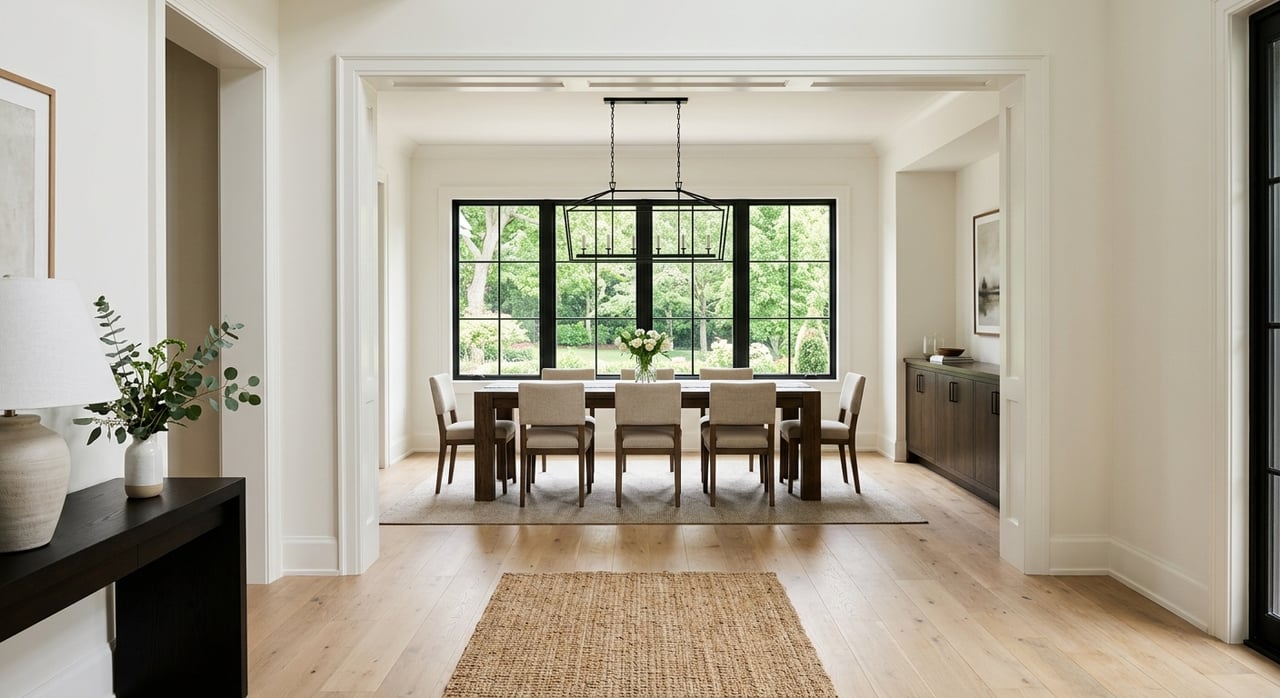
Spotting Value-Add Potential In Intown Atlanta Homes
You do not need the flashiest fixer-upper in Atlanta to find real upside. In many intown neighborhoods, the best opportunities are the homes where a few smart changes improve how the property lives, fits the lot, and matches the surrounding micro-market. If you are trying to buy with both style and strategy in mind, this guide will help you spot the signs of value-add potential before you fall in love with the wrong project. Let’s dive in.
Intown Atlanta value-add is not just about fresh paint and a dream kitchen. It is also about whether a home fits the city’s long-range growth pattern, especially as Atlanta’s 2025 update to Plan A focuses on future physical growth in a way the city says is more equitable, inclusive, and accessible.
That bigger picture matters when you are deciding where to buy. A home can have renovation potential on paper, but the stronger opportunities are often in areas that already align with how the city is growing and investing.
Before you study finishes or floor plans, look at the location’s momentum. In intown Atlanta, some of the clearest signals include transit access, BeltLine proximity, public-realm improvements, and nearby mixed-use investment.
Atlanta BeltLine leadership says FY26 funding continues to prioritize trail completion, transit planning, affordable housing, commercial space, and key trail-adjacent real estate. The project is targeting completion of the 22-mile loop by 2030, with mainline trail completion expected to reach about 85% in 2026.
Regional attitudes support that pattern too. ARC’s 2025 Metro Atlanta Speaks survey found that 53% of respondents said future growth should be concentrated along existing transportation corridors and in areas where businesses are already concentrated, while 39% favored expanding public transit.
For you as a buyer, that means the most promising value-add homes are often in places where mobility, walkability, and reinvestment already have real traction. That tends to create a better fit between your improvements and future buyer demand.
One of the easiest mistakes in intown Atlanta is treating every neighborhood the same. The submarkets are not interchangeable, and renovation potential should always be judged against the immediate pocket, not the broad city label.
As of March 2026, Realtor.com showed Midtown at $350,000, Old Fourth Ward at $348,450, Eastside at $540,000, Downtown at $245,000, and Intown South at $350,000. That spread is a strong reminder that the same update package will not land the same way everywhere.
In one area, a clean and functional refresh may be enough. In another, buyers may expect a more polished finish level, stronger layout improvements, or a more intentional presentation of the home’s architectural character.
Some of the best value-add opportunities are not the biggest projects. They are the homes with awkward circulation, underused rooms, or a layout that could feel much better with one or two targeted changes.
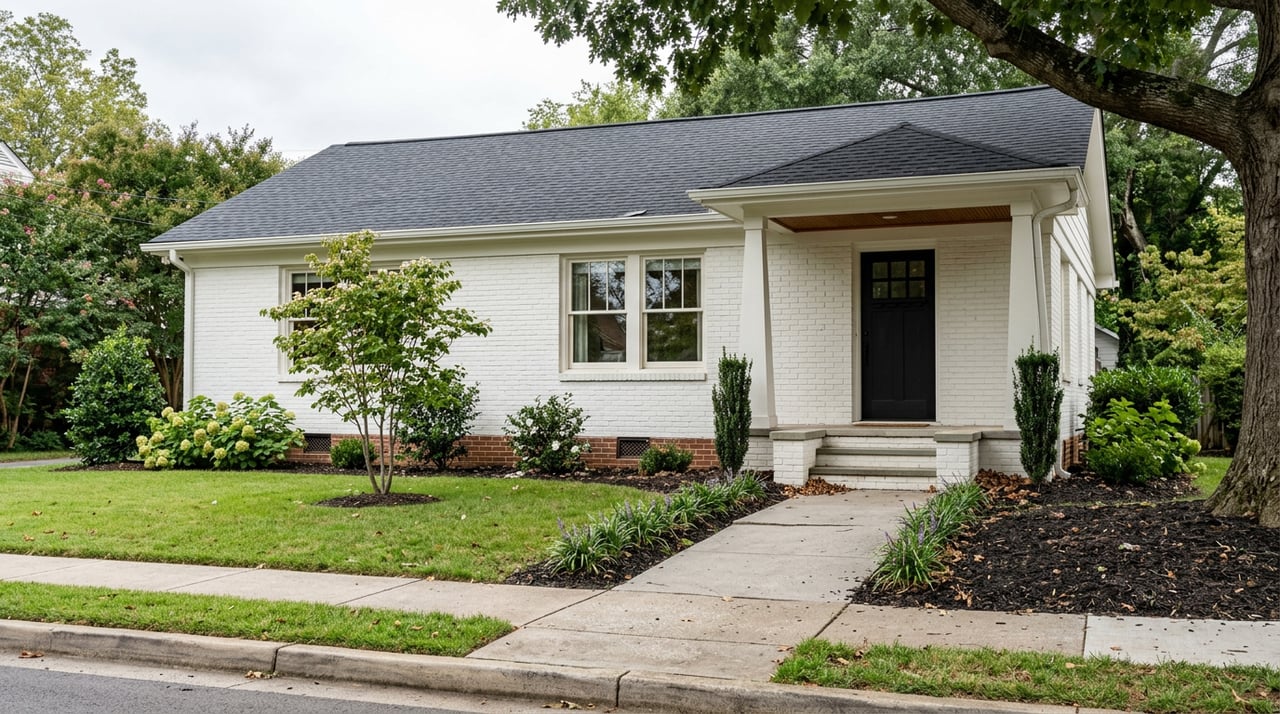
In Atlanta, buyers continue to reward character-rich homes, especially those that keep their original identity while updating the interior for modern living. Realtor.com noted that Craftsman homes made up 14.2% of active Atlanta listings, the highest share for that style among U.S. metros, and highlighted the area’s strong supply of original bungalows and updated homes that retain front-porch character.
That creates a useful filter for your search. A home with solid bones and clear architectural personality may offer more practical upside than a larger home that already feels generic or overworked.
The goal is not to force every home into the same open layout. The goal is to find a house where smart updates improve daily life without stripping away what makes it feel like Atlanta.
A great lot can expand your options later, even if the house starts smaller than you hoped. In intown neighborhoods, where lot patterns vary quite a bit, site conditions can shape value-add potential just as much as square footage.
Atlanta zoning regulates height, size, placement on the lot, density, and parking. That means lot depth, setbacks, and site access can materially affect what you may be able to do later.
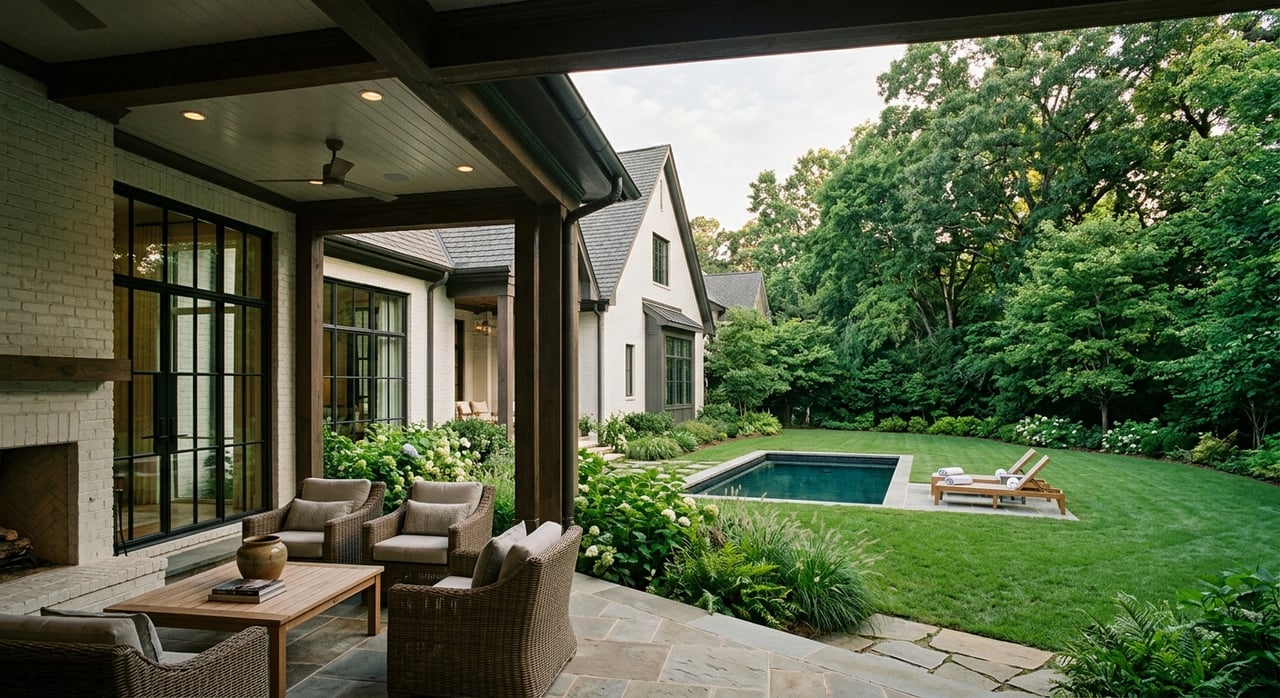
A home with a backyard that could realistically support a rear addition, outdoor living area, or better parking setup may offer more long-term flexibility than a slightly bigger house on a constrained lot. This is especially relevant if you want room to adapt the property over time.
If you are comparing two homes with similar price points, the lot can be the hidden difference between modest upside and meaningful flexibility.
In many intown Atlanta homes, original character is not something to erase. It is often one of the biggest reasons buyers connect with a property in the first place.
That is especially true in neighborhoods full of bungalows, Craftsman homes, and older residences with details that give the house warmth and identity. When updates preserve those features while improving function, the result often feels more natural and more aligned with local buyer preferences.
The strongest value-add projects usually respect what already works. You want the home to feel more current, not disconnected from its setting.
This is where many buyers get surprised. A project may look simple during a showing, but once changes affect layout, exterior appearance, or the building envelope, the process can become much more involved.
Atlanta’s permitting guidance says that if you want to build new, alter, add to, demolish, or change the use or layout of a property, you likely need approval. Projects in special, historic, or overlay districts may require additional steps before a building permit is issued.
As a practical rule of thumb, paint, flooring, lighting, fixtures, and similar finish work usually fall into the easier cosmetic bucket. If your plans change the footprint, structure, massing, setbacks, or exterior appearance, the project starts looking more structural and more regulatory.
The difference matters because structural upside is not only a design question. In Atlanta, it is also a zoning and permitting question.
Before you assume you can transform the exterior, check the property’s designation. Atlanta recommends using the Property Info GIS map to see whether a home is in a Historic District, Landmark District, or another preservation category.
In those areas, the scope of work may require a Certificate of Appropriateness and, in some cases, review by the Urban Design Commission. Exterior changes and site work can be more constrained than buyers expect.
That does not mean you should avoid these homes. It means the value-add story may depend more on thoughtful interior updates and careful preservation than on dramatic exterior changes.
Even if you plan to stay for years, it helps to think ahead like a future buyer. In a more balanced market, homes that reduce friction tend to stand out.
Realtor.com described Atlanta as balanced in March 2026. The Atlanta REALTORS® Association’s April 2026 Market Brief reported 19,224 active listings, a 4.4-month supply of homes, and an average of 19 days on market. Buyers have more choice than in hotter periods, but well-priced homes can still move quickly.
That market backdrop supports a simple idea: improvements matter most when they make the home easier to live in and easier to understand. Good flow, move-in-ready finishes, usable outdoor space, and a clear fit with the neighborhood all help reduce buyer hesitation later.
The most compelling value-add homes in intown Atlanta are usually not the ones chasing the biggest possible transformation. They are the ones where the right improvements make the property more usable, more current, and more neighborhood-appropriate at the same time.
If you are evaluating homes in Midtown, Old Fourth Ward, Eastside, Downtown, or other intown pockets, it helps to look beyond surface-level updates. The better question is whether the house, lot, and location work together in a way that supports smart change.
When you approach the search with that lens, you can make decisions that feel both design-savvy and grounded in local market reality. If you want help identifying intown Atlanta homes with real upside, Jonathan Leach can help you search strategically and weigh the details that matter.
Work with Jonathan Leach, an advocate who understands luxury, culture, and strategy, and is committed to protecting your goals from the first showing to closing.