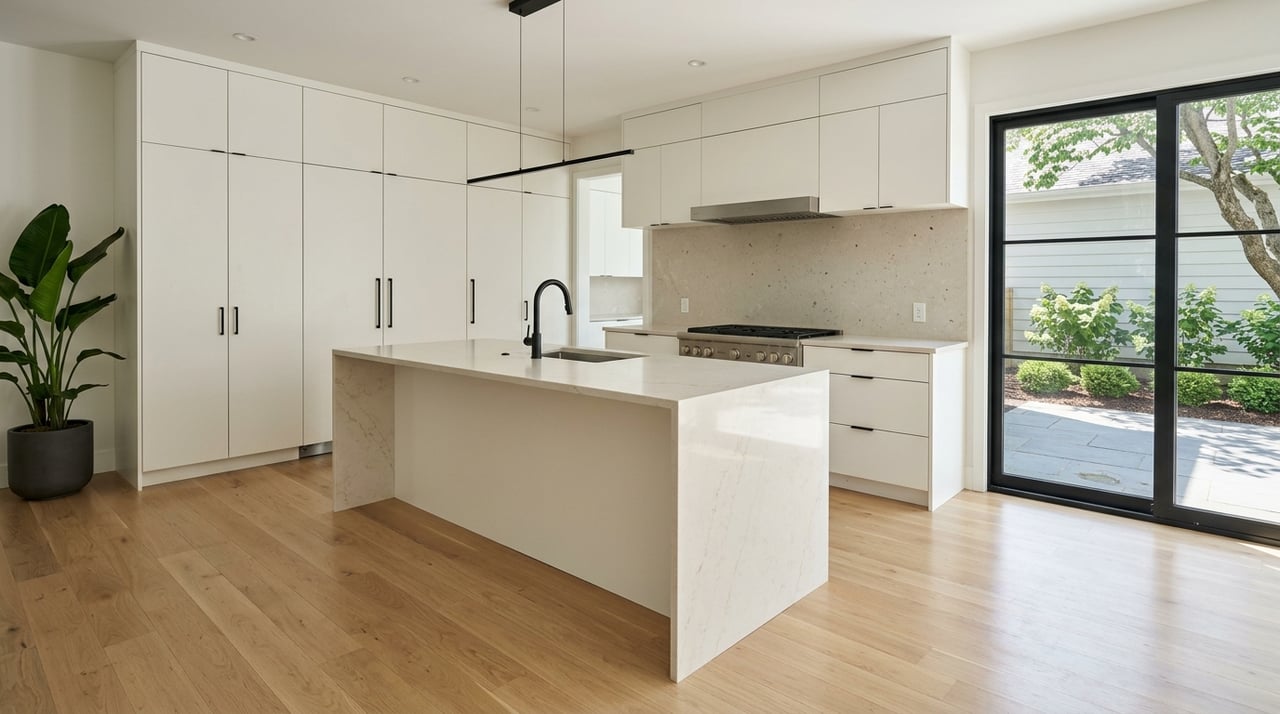
How To Price And Position Your Decatur Home To Stand Out
Selling in Decatur is rarely just about square footage. Buyers here often compare homes through a wider lens that includes walkability, access to parks and transit, historic character, condition, and how confidently a home is priced from day one. If you want your listing to stand out, you need more than a good number on paper. You need a strategy that aligns price, presentation, and neighborhood story from the start. Let’s dive in.
Decatur has a distinct identity within Metro Atlanta. The city highlights five walkable commercial districts, three MARTA rapid-transit stations within city limits, and a transportation culture centered on walking and biking. It also describes itself as a Gold Level Walk Friendly Community and a Bicycle Friendly Community.
That matters because buyers are often evaluating more than your home itself. They may also be weighing how close you are to downtown Decatur, parks, sidewalks, daily conveniences, and transit. In a market like this, strong positioning helps buyers understand the full value of what you are offering.
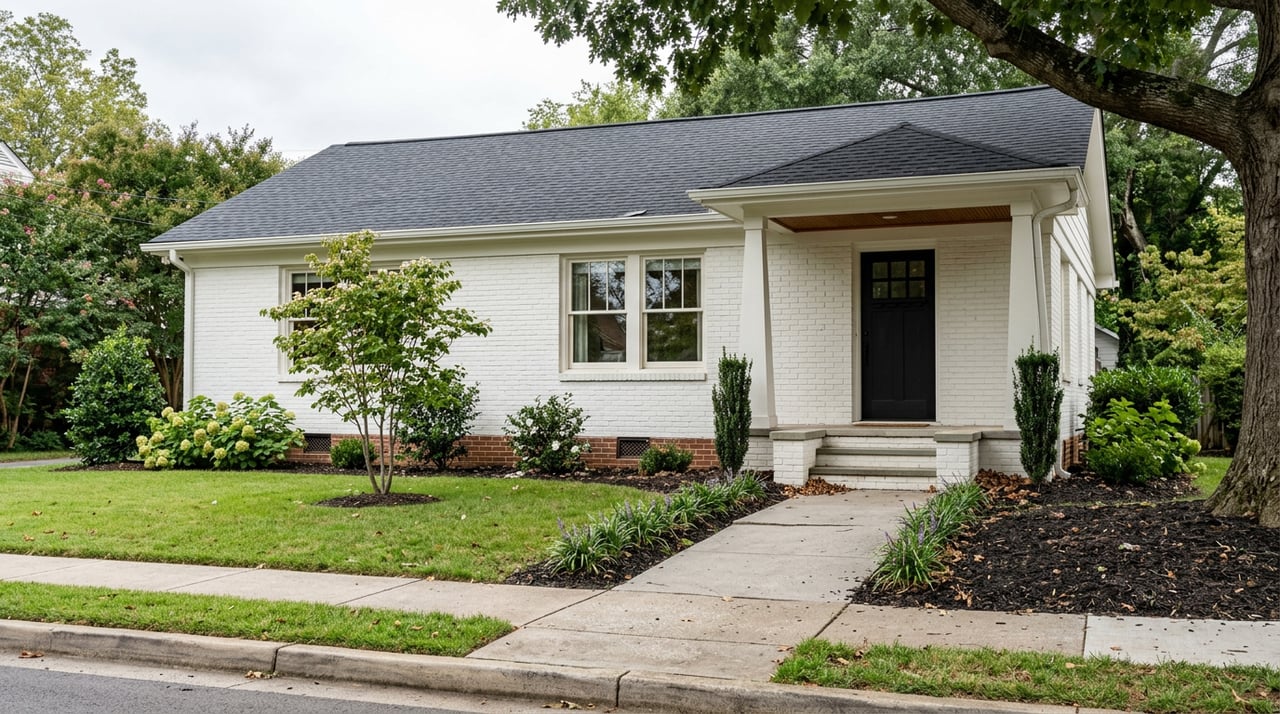
Decatur also has a housing stock that is not one-size-fits-all. Many homes date to the early 1900s, and the city says much of the area was built out during the 1920s with Craftsman bungalows. That mix of age, character, and renovation quality means two homes with similar size can perform very differently.
Citywide market stats can be useful, but they should never be your pricing plan. Redfin reported a Decatur median sale price of $702,137 for the three months ending April 2026, with homes selling in about 41 days and averaging about 1% below list. It also noted that hot homes could go pending in around 13 days and sell about 2% above list.
At the same time, Zillow reported a typical home value of $279,470 as of March 31, 2026, with median days to pending at 59 and a median sale-to-list ratio of 0.983. Those numbers are very different, and the Census Bureau cautions that data sources can use different methods and geographies. In other words, public dashboards are directional, not definitive.
For your home, the real pricing work happens at the address level. You need comparable sales that reflect your home type, renovation level, lot, parking, outdoor space, and location context. In Decatur, that also means paying attention to factors like school access and whether the property sits in a historic district.
When buyers decide whether your price feels justified, they are usually comparing details like:
A price that ignores those differences can miss the market, even if it seems close to a citywide average.
In Decatur, your launch window matters. If average homes are selling in about 41 days, but the most competitive homes can go pending in around 13 days, early momentum becomes a major advantage.
That means your first price needs to be realistic, not aspirational. If buyers hesitate in the first week or two, your listing may lose some of its freshness. At that point, price and presentation often have to work much harder to bring demand back.
A strong launch usually gives buyers confidence that the home is well managed and correctly positioned. A weak launch can create doubt, even when the property itself is appealing.
In Decatur, buyers are often purchasing a lifestyle as much as a floor plan. The city consistently highlights walkability, greenspace, transit access, and neighborhood convenience. Your listing should help buyers picture how those features support daily life.
That does not mean using vague hype. It means being specific and factual about the location advantages your home offers. If your property is near downtown Decatur, MARTA, parks, or one of the city’s commercial districts, those details deserve a clear place in your marketing.
The city’s greenspace planning goal is for every resident to live within a half-mile or 10-minute walk of a greenspace. That reinforces how important outdoor access can feel in this market. If your home benefits from nearby parks, sidewalks, or a convenient pedestrian setting, buyers are likely to notice.
Depending on your property, strong positioning may include:
The goal is simple. Help buyers understand why your home offers more than a basic price-per-square-foot comparison.
Many Decatur homes have charm, but charm alone is not enough. Buyers often love historic or older homes, yet they still want confidence around condition, maintenance, and improvements.
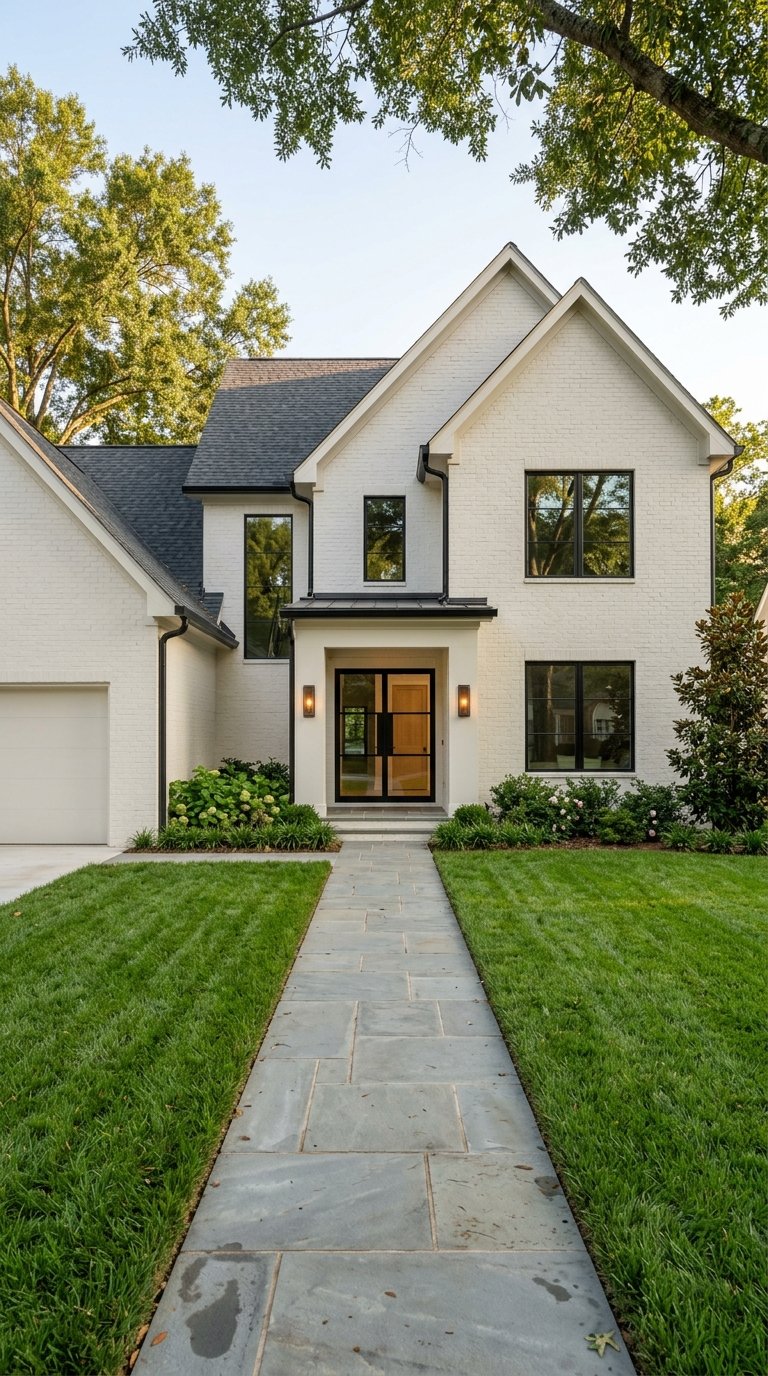
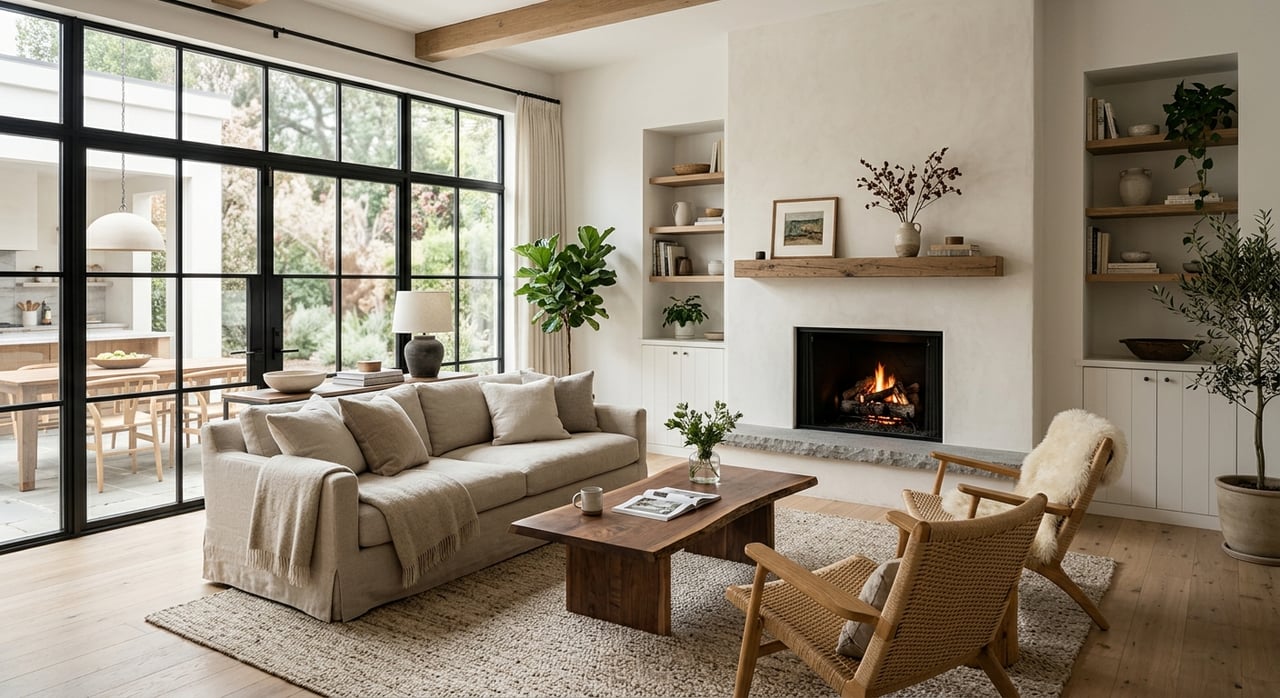
That is why presentation matters so much. Fresh paint where needed, repaired trim, updated lighting, tidy landscaping, and clean curb appeal can make a meaningful difference. Small unfinished details can distract buyers and make them assume larger issues exist.
If you have completed meaningful improvements, clear documentation also helps. Buyers may feel more comfortable when they can review permits, receipts, and dates for major updates. A home that feels transparent and cared for is often easier to value and easier to say yes to.
Historic character is part of Decatur’s appeal, but it also comes with responsibility. The city notes that five local historic districts and two historic landmarks are governed by preservation review. Exterior or material changes in those districts generally require a Certificate of Appropriateness before a permit is issued.
If your home is in one of those areas, your marketing should address that context clearly. Buyers may see extra value in preserved character and thoughtful updates, but they may also want reassurance that work was handled appropriately. Clear communication can reduce uncertainty and strengthen buyer trust.
If your property is in a historic district, it helps to organize:
This kind of preparation supports your pricing and helps buyers understand the home beyond its visual appeal.
A polished list price needs polished presentation behind it. In a market with educated and often detail-oriented buyers, a strong visual impression matters. Census QuickFacts for Decatur show a 2025 estimated population of 25,276, a 63.9% owner-occupied housing rate, a median owner-occupied home value of $701,400, a median household income of $139,397, and 76.3% of adults with a bachelor’s degree or higher.
That does not mean every seller needs a major renovation before listing. It does mean buyers are likely to respond well to a home that looks intentional, well prepared, and easy to understand. Clear value justification and clean presentation often go hand in hand.
A smart pre-listing plan usually includes:
When your home looks ready, buyers are more likely to focus on its strengths instead of mentally subtracting for unknowns.
Not every Decatur buyer is looking for the same thing. Some will care most about intown convenience and transit. Others may be focused on historic style, flexible living, or proximity to schools and parks.
City Schools of Decatur says it serves about 5,300 students in 10 schools and reported a 96.04% graduation rate. For many homes, school access will be an important factor in buyer interest. The key is to present that information factually and as part of the overall location picture.
Your marketing should speak to the audiences your home is most likely to attract. In practice, that often includes commuters who value MARTA, buyers who want walkability, and buyers drawn to Decatur’s older housing stock and neighborhood character. The more clearly your listing answers their priorities, the stronger your response is likely to be.
If you are preparing to sell in Decatur, focus on four things from the start:
That combination gives your home the best chance to stand out in a market where buyers are comparing both numbers and nuance.
When you want a sale that feels smooth and well planned, strategy matters just as much as timing. If you are thinking about listing in Decatur, Jonathan Leach can help you price your home thoughtfully, position it clearly, and bring it to market with confidence.
Work with Jonathan Leach, an advocate who understands luxury, culture, and strategy, and is committed to protecting your goals from the first showing to closing.