
Buying Your First Home in Decatur Starts With a Smart Plan
Buying your first home in Decatur can feel exciting right up until you start looking at prices, timelines, and all the fine print. If you are wondering how to compete without getting in over your head, you are not alone. The good news is that with the right plan, you can make smart decisions about budget, financing, property type, and location. Let’s break down what first-time buyers should know before shopping for a home in Decatur.
Decatur is not usually a low-pressure market for first-time buyers. In March 2026, Redfin reported a median sale price of $705,000, with homes averaging about one offer and selling in roughly 37 days. Realtor.com described the market as more balanced, with a median 54 days on market and a 100 percent sale-to-list ratio.
The practical takeaway is simple. You may not face a bidding war on every home, but well-priced properties can still move quickly. That means you need to be ready to act when the right home appears, while also knowing you may have room to negotiate depending on condition, pricing, and timing.
One of the biggest surprises for first-time buyers is that a Decatur mailing address does not always mean the home is inside the City of Decatur. Some properties are actually located in unincorporated DeKalb County. That distinction matters because city services, city taxes, and homestead eligibility can differ.
Before you fall in love with a home, verify the property’s jurisdiction. This can affect your monthly housing costs, the services tied to the property, and the tax benefits you may be able to claim later. It is a small detail that can have a big impact on your long-term budget.
It is easy to focus on the purchase price and forget the rest of the cost of ownership. A smart first step is getting preapproved and building an all-in monthly budget. That means looking beyond principal and interest to include property taxes, homeowners insurance, HOA dues if applicable, repairs, closing costs, moving expenses, and even basic furnishings.
In Decatur, this matters even more because your carrying costs can vary a lot by property type and location. A condo may have lower exterior maintenance but higher monthly association fees. A single-family home may offer more control, but you will be responsible for every repair and upkeep item yourself.
Georgia Dream is an important program for first-time buyers in Georgia, but in Decatur it may not work for every purchase. As of July 1, 2025, the standard Georgia Dream loan is limited to first-time buyers and has a maximum home sales price of up to $550,000. Income limits are $130,290 for one- to two-person households and $149,833 for households of three or more.
Because Decatur’s March 2026 median sale price was $705,000, many homes may be priced above the standard Georgia Dream cap. That does not mean the program is off the table for every buyer, but it does mean you should compare it with other options like conventional, FHA, VA, or higher-capped DCA options when available.
Georgia Dream also comes with process details that can affect your timing. The program requires homebuyer education, at least $1,000 of your own funds or documented gift funds, and a documentation-heavy review process that may include pay stubs, W-2s, bank statements, gift letters, or tax returns for self-employed borrowers.
If you are buying below 20 percent down, the loan structure matters. FHA loans can allow down payments as low as 3.5 percent. Conventional loans with less than 20 percent down usually require private mortgage insurance.
The best choice depends on your credit profile, cash on hand, target price point, and how competitive your offer needs to be. In a market like Decatur, your financing strategy is not just about approval. It can also shape how strong and flexible your offer looks to a seller.
In Georgia, existing homes often close in about 30 to 90 days. New construction can take longer. If you are using a program like Georgia Dream, the added compliance and underwriting steps can stretch the process, so it helps to build in extra time from the start.
A typical purchase timeline includes preapproval, touring homes, making an offer, completing inspections and appraisal, final underwriting, title work, and closing. If the appraisal comes in below the contract price, you may need to renegotiate with the seller or bring additional cash to close.
A home inspection is one of the most important parts of the buying process, especially for first-time buyers. An inspection helps you understand the home’s physical condition, the estimated life of major systems, and what repairs may be needed. It is also different from an appraisal, which is not meant to evaluate the home in the same way.
Ask for an inspection contingency and hire an independent inspector. Depending on the property, additional health and safety testing may also make sense. This is especially important if you are considering an older home or a property that appears to need repairs.
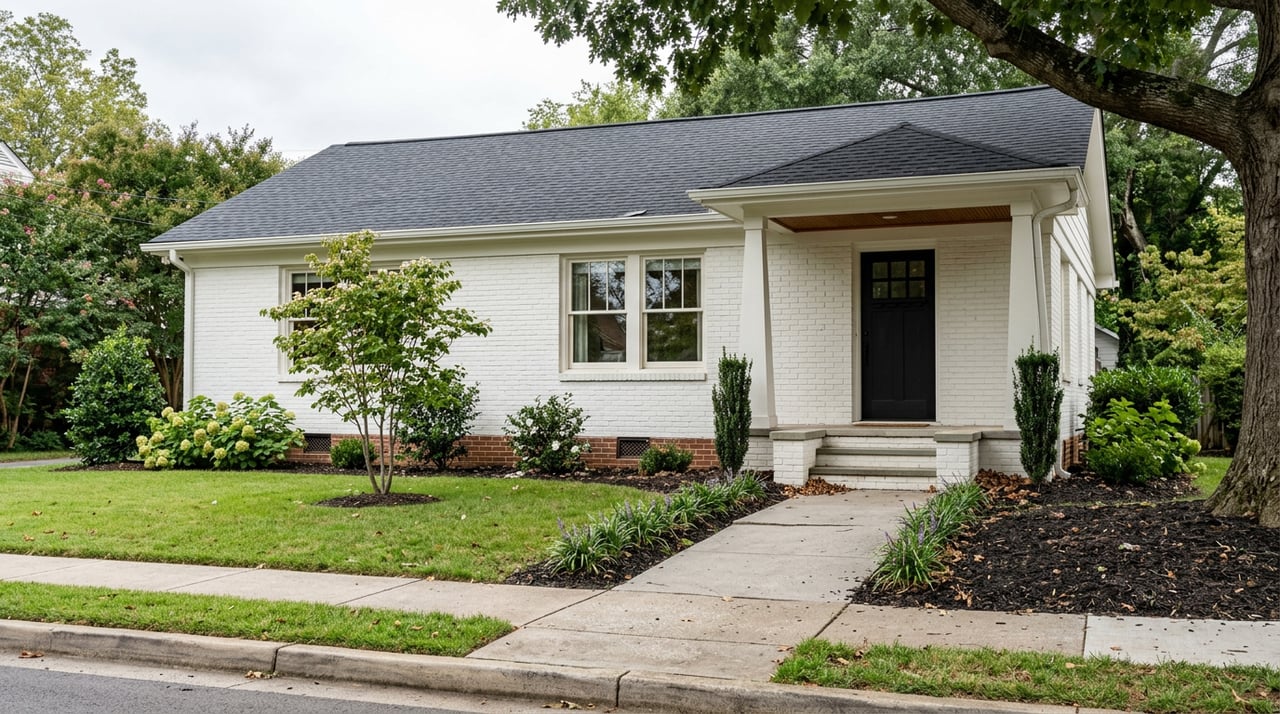
Decatur has many homes dating back to the 1920s, including Craftsman bungalows and other early-1900s properties. That historic character is a big part of the area’s appeal, but it can also mean older systems, deferred maintenance, and renovation limits.
If a home is in a local historic district or is a landmark property, certain exterior changes may require approval from the Historic Preservation Commission before a building permit can be issued. That can affect your renovation scope, timeline, and budget. If you are drawn to a fixer-upper, inspect it carefully and make sure your financing matches the work ahead.
For many first-time buyers, this is one of the biggest decisions.
A condo can be appealing if you want less exterior maintenance and a lower entry point than some single-family options. But condo and HOA dues are usually paid separately from the mortgage, and some projects may require extra lender review. It is important to evaluate both the unit itself and the financial and lending profile of the project.
A single-family home often gives you more control over the property and more flexibility over time. It may also offer broader resale appeal. The tradeoff is that you are responsible for repairs, yard care, pest control, and big-ticket replacements like roofs, gutters, or HVAC systems.
Your first home does not have to be your forever home. In fact, one of the smartest moves you can make is buying with future resale in mind. In Decatur, that often means paying close attention to jurisdiction, condition, and micro-location.
The city highlights amenity-rich districts like The Square, Oakhurst, West Ponce, and the Old Depot District. These areas are known for walkability, dining, services, and local character. Homes in and around these destinations often remain attractive to future buyers because they combine convenience with a strong sense of place.
If you buy inside the City of Decatur, property taxes and exemptions have some local rules that first-time buyers should know. City property taxes are billed in two installments, and the city does not send bills to mortgage companies. Owner-occupants may also need to apply separately for city homestead exemptions, even if they already filed with DeKalb County.
The city’s basic homestead exemption is $40,000. New applications are generally due by March 15 for the current tax year or by April 1 to be granted for that year. This is another reason it is so important to confirm whether a home is actually inside city limits.
In a market like Decatur, your best advantage is preparation. Know your budget before you shop, understand how financing affects your options, verify the property’s jurisdiction, and inspect carefully before committing. That approach helps you stay calm, move decisively, and avoid expensive surprises.
If you want guidance that blends local insight with a strategic plan, Jonathan Leach can help you navigate Decatur with clarity and confidence.




Work with Jonathan Leach, an advocate who understands luxury, culture, and strategy, and is committed to protecting your goals from the first showing to closing.